Relationship between Diabetes and Covid 19

Hello friends as we all know what’s covid 19 actually. Well let me explain you that how the deadly corona virus infects and its transmission. Corona virus means crown shaped virus which transmits from human to human through droplets of infection. Droplets shed by a patient through sneezing, coughing and touch can cause infection to the other person. The window period of the virus is 14 days where the symptoms can appear.

Covid 19 completely compromises the immunity of the person. It hampers the normal living. Some patients are carriers and completely asymptomatic, which can prove dangerous. These patients are usually not aware of them being carriers and they transmit the disease. In India, though the recovery rate is high nearly 70 % still many being carriers of the infection.

When a person suffering from an uncontrolled diabetes suffers from covid his immunity is compromised a lot. Along with symptoms of Covid like sneezing, coughing, fever, bodyache, loss of taste etc it can worsen the Diabetes and it’s complications. Diabetes and Covid 19 is a deadly combination. A person suffering from pre existing diabetes, blood pressure and cardiovascular diseases are at high risk of getting infected by corona virus. Older people suffering from Diabetes are more prone to get infected.
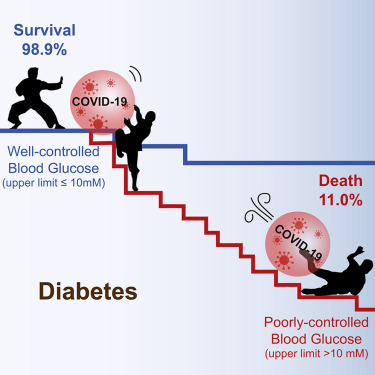
Diabetes &covid19 relationship

Image credits: Sciencedirect.com

Pathogenesis of Covid19 in Diabetes:

Severe acute respiratory distress syndrome (ARDS) SARS-CoV 2 infection itself represents worsening factor for people with diabetes,  precipitate acute metabolic complications through direct negative effects on pancreatic β-cell function. These effects on pancreatic β-cell function can also lead to diabetic ketoacidosis in patients with diabetes. Hyperglycaemia or raised sugar levels at hospital admission in individuals with unknown history of diabetes and potentially pre diabetic state is very common presentation.

Diabetic patients have impaired immune-response to infection in relation to both cytokine profile and to changes in immune-responses including T-cell and macrophage activation. Poor glycaemic control hampers several aspects of the immune response to viral infection and also to the potential bacterial secondary infection in the lungs.

Epidemiology:

Initial studies has revealed a J-curve relationship between HbA1c and risk of individuals being admitted to hospital for infections in general, and infections of the respiratory tract in particular. A prospective cohort study of patients with COVID-19 from New York City,  USA, revealed that the prevalence of diabetes and obesity was higher in individuals admitted to hospital than those not admitted to hospital. In around 7 meta analysis study, showed that around 67% of people in India suffering with Diabetes are at higher risk with Covid 19.

Signs and symptoms of Covid19 in diabetes:

  • Fever
  • Cough persistent
  • Pneumonia ground glass opacity
  • Pressure on chest
  • Loss of taste
  • Muscle pain
  • Difficulty in breathing
  • Increased frequency of urination due to Diabetes
  • Itching all over the body due to uncontrolled Diabetes

Management of Diabetes and Covid 19:

  • One should regularly monitor blood sugar levels.
  • Avoid unnecessary travel
  • Take necessary precautions like wearing mask and gloves, socks to avoid contact with virus.
  • Take your Diabetes medicine regularly.
  • Keep yourself well hydrated.
  • Take multivitamins like vitamin C and zinc on daily basis and weekly Vitamin D if advised by your doctor.
  • If diabetes is uncontrolled, then visit to your diabetologist at the earliest. Take insulin injections as prescribed by your doctor.
  • If a person suffering from Diabetes is exposed to virus, take your anti biotics and prescribed medication regularly along with anti-diabetic medication.

if you like this article, share it with your friends.

Awareness is Prevention.


Dr. Nikhil Prabhu ( Diabetes Specialist )

Dr. Nikhil Prabhu ( Diabetes Specialist )

Dr Nikhil Prabhu is a consultant Diabetologist from mumbai. he has been practicing for more than a decade and currently over 15000+ patients are under his treatment for diabetes and thyroid disorders from India and abroad | you can book his appointment for tele-consultation via video call on 9082523295/9870916962 | follow us on YouTube , insta , FB & Linkedin for more diabetes & health related tips

More Posts - Website

Follow Me:Add me on XAdd me on FacebookAdd me on LinkedInAdd me on PinterestAdd me on YouTube

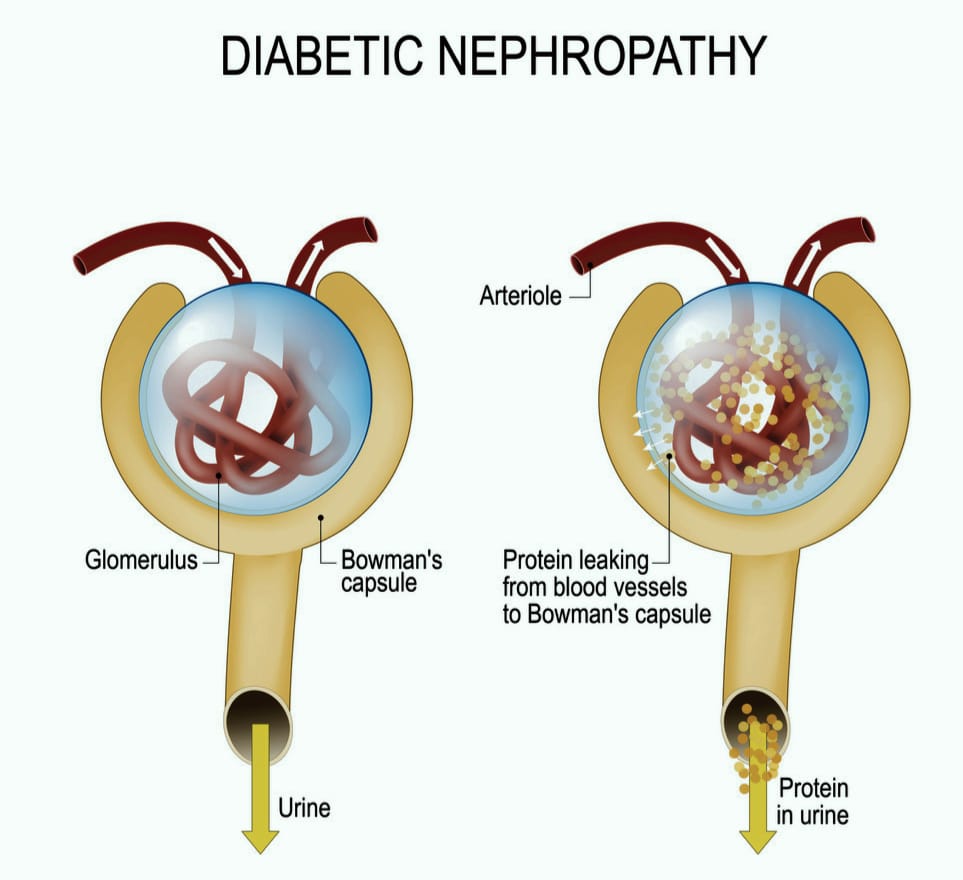
Diabetic Nephropathy – Symptoms Pathophysiology Treatment

Diabetic Nephropathy (DN) is also known as Diabetic kidney disease. DN leads to chronic loss of kidney function due to diabetes mellitus. Over 45 percent of cases of kidney failure are caused by diabetes, and it’s estimated that approximately 190,000 people are living with kidney failure caused by complications of diabetes. When the blood sugar levels are increased, there is progressive damage to the kidneys.

Diabetic nephropathy is one of the causes of end stage kidney disease. The kidneys regulate the levels of salts and fluids in the body, which is important for controlling blood pressure and protecting cardiovascular health. In ESRD, the kidneys donot work well enough to meet the needs of daily life. This leads to kidney failure due to failure in filtration of salts and fluids.

Diabetic nephropathy symptoms treatment

Pathophysiology:

When our bodies digest the protein we eat, this process creates waste products. In the kidneys, millions of tiny blood vessels with even tiny holes in them act as filters. As blood flows through the blood vessels, small molecules such as waste products pass through the holes. These waste products become part of the urine. Useful substances, such as protein and red blood cells, are larger in size do not pass through the holes in the filter and stay in the blood. High blood glucose levels interfere with the function of the glomerulus. The filter function of the kidneys get damaged and proteins start to leak from the blood into the urine. Albumin being the smallest of proteins goes first hence by measuring its presence in urine we can measure the damage to kidneys.

Symptoms of Diabetic Nephropathy(DN) :

  • Albumin in urine
  • Nausea
  • Vomiting
  • Drowsiness/ disturbed sleeping pattern
  • Dryness of skin and itching
  • Stomach upset
  • Swelling of face, feet and hands.
  • Loss of appetite
  • Uremia due to retention of waste products.

Risk factors:

People who have diabetic nephropathy also often have high blood pressure. High blood pressure can further contribute to kidney damage. High blood pressure lead to increase in filtration pressure and can further lead to pores wide open. under high pressure it increases the chances of albumin to slips into the urine and increasing the kidney damage further. so controlling blood pressure is essential to halt kidney damage.

Other risk factors include obesity, smoking, alcohol, hereditary and people suffering from cardiovascular diseases. Diabetic nephropathy is a complication of uncontrolled Diabetes mellitus and usually accompanied with diabetic neuropathy and diabetic retinopathy.

Diagnosis and Management of Diabetic Nephropathy(DN) :

  • X ray kidney ureter bladder (KUB) can help in detection of any damage to the kidney.
  • CBC, ESR, Urine routine and C reactive protein are some of the tests which can help in detecting the nephropathy.
  • Also Blood sugar levels should be monitored at regular intervals.
  • Estimated glomerular filtration rate (eGFR) gives an indication of the kidney function to filter waste products from your blood.
  • Albumin / Creatinine ratio or 24hr albumin in urine is another important test.

Treatment for Diabetic Nephropathy:

Early detection and treatment of diabetic nephropathy can not only stop the progression of kidney disease, but during the early stages can actually reverse it. Treatment involves controlling both your blood glucose levels and your blood pressure. ACE inhibitors and ARBs are the class of drugs which helps in restricting the kidney damage by reducing those pores size by altering the renal glomerular blood vessels flow (afferent and efferent arterioles) and preventing albumin loss. CKD is not reversible as such but we can obviously delay its progression.

Oral medication usually helps in controlling diabetes. Also insulin injections are given when the sugar levels are out of the limits.

Lifestyle changes are a must for a healthy normal life. Working on your obesity is equally important as per body mass index.

Quiting smoking and drinking alcohol usually improves the overall wellbeing of an individual.

Plate diet plan helps often in improving the condition of the patient. Avoid seedy foods like lady’s finger, tomato, seedy foods are a must to consider. A reduced protein diet can help to prevent Diabetic nephropathy this preventing protein in urine.

Exercising regularly for half an hour is a must to vent out energy and utilize extra glucose. (not advisable in last stages)

In last stages salt restriction and water restriction plays an important role in its progression.

If you like this article do share it with friends and family.

have a great day.

Dr. Nikhil Prabhu ( Diabetes Specialist )

Dr. Nikhil Prabhu ( Diabetes Specialist )

Dr Nikhil Prabhu is a consultant Diabetologist from mumbai. he has been practicing for more than a decade and currently over 15000+ patients are under his treatment for diabetes and thyroid disorders from India and abroad | you can book his appointment for tele-consultation via video call on 9082523295/9870916962 | follow us on YouTube , insta , FB & Linkedin for more diabetes & health related tips

More Posts - Website

Follow Me:Add me on XAdd me on FacebookAdd me on LinkedInAdd me on PinterestAdd me on YouTube

Diabetes in Elderly Patients – a concern

Diabetes in elderly people above 65 years of age nearly contributes to 25 to 30 percent of the whole population. Diabetes is a very common but a serious chronic ailment. Some of the people take it lightly. Type 2 Diabetes being more prevalent in elderly people. The role of genetics plays a very important part in elderly population.

Factors contributing Diabetes in elderly:

  • Obesity
  • Sedentary lifestyle
  • Faulty eating habbits like sweets, chocolate etc
  • Lack of exercise
  • Smoking
  • Alcohol affecting liver and pancreatic metabolism
  • Autoimmune diseases

All these factors contribute or I can say play major role in Diabetes apart from genetics or hereditary family history.

The studies have shown that patients have several metabolic abnormalities, including altered glucose-induced insulin release, increased fasting hepatic glucose production and marked resistance to insulin-mediated glucose disposal.

diabetes and elderly

Image credits: Aging.com

Symptoms in elderly group:

Symptoms of type 2 diabetes may include:

  • Fatigue
  • Increased thirst or hunger
  • Losing weight without trying
  • Urinating often in night
  • Blurred vision.
  • Repeated Skin infections like candidiasis or slow healing from cuts and bruises.
  • Insomnia, disturbed sleeping pattern due to increased frequency of urination in night time.

Some people with type 2 diabetes may not realize they have it because symptoms often develop slowly and go undiagnosed. Sometimes older adults ignore these symptoms as “getting old,” but they can be indication of a serious problem.

Pathophysiology:

When the glucose levels in the blood increases, we say that a person is suffering from Diabetes. Our body gets it’s energy from food. When we eat food a lot of glucose is formed which gets converted to energy. Insulin converts glucose into energy. The production of insulin is controlled by pancreas. Hence the insulin production is less or the patient is insulin resistant, glucose levels in blood increases, leading to Diabetes.

Senior citizens and middle aged population are at high risk of developing Diabetes. Mostly they develop type 2 Diabetes. Nearly 15 to 20 percent of population are Prediabetics.

Now what do you mean by Prediabetics? It is a condition where in the sugar levels in blood are marginally high and is undiagnosed.

Management of Diabetes in elderly:

Firstly the diagnosis and management of a prediabetes is very important. Regular checkups and monitoring glucose levels is of utmost importance. Improvement in lifestyle and way of living is of great help to the individual.

Diet also equally contributes in management of Diabetes. Having healthy diet and following plate diet is of utmost importance. Grapefruit, bitter gourd and black jamun are some foods that help in reducing blood sugar levels.

Going for daily walks or exercise really helps to burn out extra glucose or fat in our body by utilizing energy. Being active is the key mantra to keep Diabetes at Bay. Yoga, pranayams, meditation help a lot to prevent depression.

Avoid drinking water in night after 9 pm helps bladder control and prevents increase frequency of urination in night. Thus this prevents disturbed sleeping pattern.

Taking your timely medicine metformin or insulin as prescribed by your diabetologist prevents further complications of Diabetes.

Regular eye check-up helps you to avoid complication like retinopathy. If any nerve pain or age related neuropathy then one must visit a neurologist for advice and monitor glucose levels. Charcot’s foot and gangrene can be avoided by keeping sugar levels under check. Also be cautious of any injury or a slip.

Stay Safe# Stay Healthy# Prevent Diabetes.

Dr. Nikhil Prabhu ( Diabetes Specialist )

Dr. Nikhil Prabhu ( Diabetes Specialist )

Dr Nikhil Prabhu is a consultant Diabetologist from mumbai. he has been practicing for more than a decade and currently over 15000+ patients are under his treatment for diabetes and thyroid disorders from India and abroad | you can book his appointment for tele-consultation via video call on 9082523295/9870916962 | follow us on YouTube , insta , FB & Linkedin for more diabetes & health related tips

More Posts - Website

Follow Me:Add me on XAdd me on FacebookAdd me on LinkedInAdd me on PinterestAdd me on YouTube

Diabetes & Depression Link Diagnosis Treatment

Hello friends, today we shall discuss about diabetes and it’s role in depression. What’s depression about?  Dealing with depression is not a social stigma. Both these diseases are global issues and around 19 million of the population of the world is suffering from these diseases. The prevalence rates of depression could be up to three to four times higher in patients with type 1 diabetes and twice as high in people with type 2 diabetes compared with the overall general  population worldwide.

Depression actually means when a person is disappointed due to some reason and is sad all the time with mood swings, doesn’t want to do anything,  a very laid back attitude, can binge chocolates and food in depression or not eat at all. The incidence of occurrence of depression is about three to four times higher in patients suffering from diabetes. About 12% of the Indian population is suffering from diabetes where in depression remains undiagnosed. Depression could be explained as a first episode, a recurrent or chronic episode. It could be mild, moderate or severe, with or without psychotic features.

Diabetes and depression link:

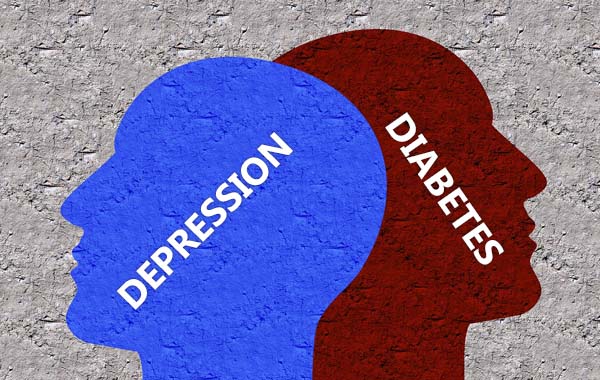
Diabetes and depression go hand in hand. People suffering from depression often land up borderline diabetes or prediabetes state.

  • Managing diabetes can be stressful, monitoring factors, which can lead to depression.
  • Faulty eating habits, sedentary lifestyle,  lack of exercise, obesity,  smoking,  managing diabetes can lead to depression.
  • On the other hand,  depression itself lead to lack of communication,  lack of interest in anything,  no exercise,  insomnia, irregular eating habits etc which can lead to diabetes.

Diabetes and depression are the most common causes amongst people and a serious medical condition.  Depression being the 4th cause, while diabetes the 8th cause of disability adjusted life years (DALYS) in developed countries.

Diabetes and depression

Image credit: thediabetescouncil.com

Physiology of Depression in Diabetes :

People suffering from diabetes reveal mood swings and emotional changes. Any alteration of blood sugar levels leads to alteration of mood swings, low feeling and irritability.

Diagnosis of Depression or depressive features in Diabetes:

Before starting my diabetes practice i have also did more than 2 plain posts (6 months each) in psychological medicine department in BMC hospital mumbai where i used to see an alternate day OPD of more than 80-100 patients under the guidance of AMO and HOD. i can still remember that my AMO was used to teach me from DSM 5 of psychological medicine book how to distinguish from depressive features or traits from Major Depressive Disorder (MDD).

Based on my experience if you want to diagnose that whether you have depressive features or not ? just ask yourself 5 questions !

  1. Is there a feeling of worthlessness, helplessness, hopelessness, loss of self esteem?
  2. Do you cry when your alone ?
  3. Do you feel sad or low with or without reason? ( repeated negative thoughts which affects your sleep and appetite)
  4. Have you lost interest in your daily activities? (e.g avoiding your relatives friends) 
  5. Do you feel that your life is not worth living or is better to die? (there’s nothing left in this world for you / suicidal ideation)

if your answer is YES to any 3 of the above questions you may be suffering from depressive features and you should consult a expert in psychological medicine or MD psychiatrist.

Management of Depression in Diabetes :

Both diabetes and depression have  the potential to cause a dangerous vicious cycle if not treated at the correct time. Constant monitoring is required to manage blood sugar, medication side effects, health care services and other related health conditions can lead to an increased risk of depression.

Treating diabetes type 1 or type 2 is of utmost importance so that diabetes complications can be well avoided. Also depression should be treated with appropriate anti depressant medication and regular counselling /psychotherapy under the guidance of expert in psychological medicine or MD psychiatrist. The patient should be made to realise the importance of improving lifestyle changes,  regular exercise and timely medication.  Eating healthy food is also of prior importance.  Plate diet method in diabetes is very helpful in controlling diabetes. Sleeping pattern should be maintained properly.

Impact of depression on diabetes:

Depression increases the risk and accelerates the risk of diabetes and it’s complications like retinopathy,  neuropathy,  macrovascular diseases, gangrene etc.  Many people think that both these diseases are isolated and do not have any link between them. But various studies have proven that there is a cause and effect cycle between the two diseases. Well ignoring your depression and not accepting it due to social stigma doesn’t help one much.

Let’s conclude this article, considering that how important are these 2 D’s in our lives and so well linked with each other.


Dr. Nikhil Prabhu ( Diabetes Specialist )

Dr. Nikhil Prabhu ( Diabetes Specialist )

Dr Nikhil Prabhu is a consultant Diabetologist from mumbai. he has been practicing for more than a decade and currently over 15000+ patients are under his treatment for diabetes and thyroid disorders from India and abroad | you can book his appointment for tele-consultation via video call on 9082523295/9870916962 | follow us on YouTube , insta , FB & Linkedin for more diabetes & health related tips

More Posts - Website

Follow Me:Add me on XAdd me on FacebookAdd me on LinkedInAdd me on PinterestAdd me on YouTube